
Pressure for Progress: The Ultimate Guide to Compression Clothing for Muscle Recovery
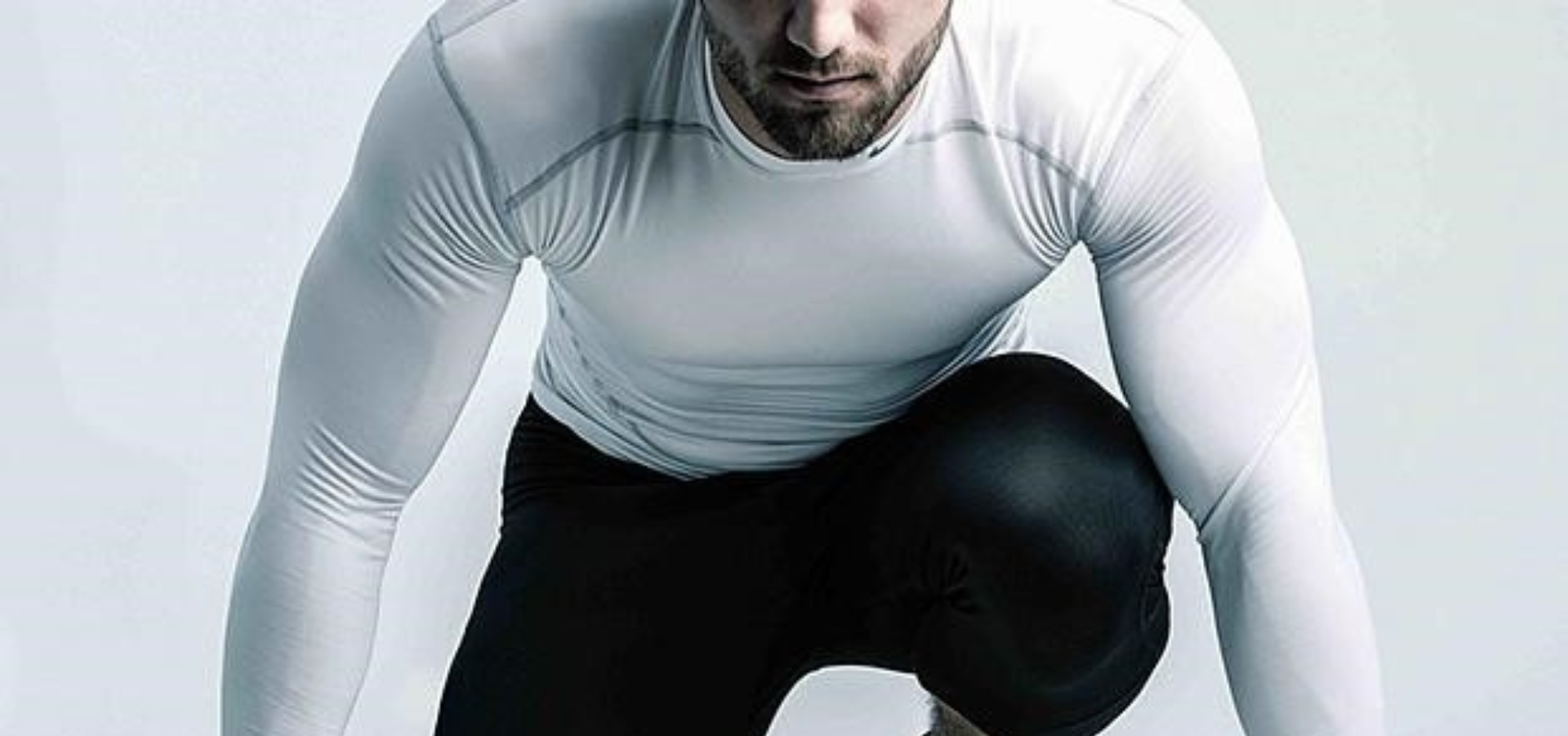
The pursuit of peak physical performance is as much about what you do after a workout as what you do during it. Whether you are an elite athlete, a weekend warrior, or someone beginning a new fitness journey, the period following intense physical exertion is when the real transformation happens. During this time, the body repairs microscopic tears in muscle tissue, clears out metabolic waste, and prepares for the next challenge. In recent decades, Compression Clothing for Recovery – DFND USA has moved from the clinical world of venous medicine into the mainstream of sports science, becoming an essential tool for those looking to accelerate this healing process. Understanding how these specialized garments work and how to use them effectively can be the difference between a week of soreness and a swift return to the gym.
The Science of Graduated Compression
At its core, compression clothing works by applying a specific amount of mechanical pressure to the surface of the limbs. The most effective recovery garments utilize what is known as graduated compression. This means the pressure is greatest at the extremities, such as the ankles or wrists, and gradually decreases as the garment moves toward the heart. This engineered pressure gradient acts as a secondary pump for the circulatory system, assisting the veins in fighting gravity to return deoxygenated blood and metabolic byproducts to the core for filtration and re-oxygenation.
By improving venous return, compression clothing helps to reduce the accumulation of lactic acid and other waste products that contribute to the sensation of heavy, tired muscles. Furthermore, the external pressure helps to stabilize the muscle fibers. When you move, your muscles experience oscillations or vibrations that can contribute to fatigue and microscopic damage. By holding the muscles firmly in place, compression gear minimizes this unnecessary movement, providing a structural support system that allows the body to focus its energy entirely on the internal repair process.
Reducing Delayed Onset Muscle Soreness
One of the most significant hurdles to consistent training is Delayed Onset Muscle Soreness, commonly referred to as DOMS. This familiar stiffness usually peaks twenty-four to forty-eight hours after an unfamiliar or particularly grueling workout. While some degree of soreness is a natural part of the adaptation process, excessive inflammation can hinder mobility and delay subsequent training sessions. Compression clothing has been shown in various studies to significantly mitigate the severity of this condition.
The mechanical pressure exerted by the fabric helps to limit the space available for swelling and edema to form within the muscle tissue. By keeping inflammation in check, compression gear allows for better range of motion during the recovery phase. Many athletes report that wearing compression tights or sleeves immediately following a session makes their legs feel lighter and less tender the next morning. This is not merely a psychological effect; it is the result of reduced fluid accumulation and improved nutrient delivery to the damaged tissues, which facilitates a more efficient repair cycle.
Enhancing Lymphatic Drainage and Nutrient Flow
While blood circulation is often the primary focus, the lymphatic system plays an equally critical role in recovery. Unlike the circulatory system, the lymphatic system does not have a heart to pump its fluid; it relies on muscle contraction and external pressure to move waste away from tissues. Following a heavy lifting session or a long run, the lymphatic system can become sluggish, leading to a feeling of congestion in the limbs. Compression garments provide the constant, gentle pressure needed to keep lymphatic fluid moving, which helps to flush out the biochemical markers of muscle damage more quickly.
This improved “garbage disposal” system is complemented by an increase in arterial blood flow once the garments are removed. While the clothing is worn, it encourages efficient return; once removed, the body often experiences a slight “rebound” effect of fresh, oxygen-rich blood rushing into the relaxed vessels. This influx of oxygen and essential nutrients, such as amino acids, provides the building blocks the muscles need to rebuild themselves stronger than they were before.
Conclusion
Compression clothing is far more than a fashion statement in the modern fitness world; it is a scientifically backed method for optimizing the body’s natural healing mechanisms. By enhancing circulation, limiting inflammation, and supporting the lymphatic system, these garments allow individuals to bounce back from intense physical stress with greater ease. While they are not a substitute for proper nutrition, hydration, and sleep, they serve as a powerful force multiplier in any recovery protocol. Whether you are looking to shave seconds off your marathon time or simply want to be able to walk down the stairs without pain after leg day, incorporating quality compression gear into your routine can help you maintain the consistency required to reach your long-term goals.


